
Spain, Unknown – January 13, 2026 — Barcelona, 13 January 2026 – Travellers across Spain will soon explore the sun-kissed beaches of the Costa Brava and the rugged hiking paths of the Pyrenees with unprecedented ease, thanks to a new €25 nationwide public transport pass set to roll out on 15 January. Announced by city officials in coordination with national transport authorities, this innovative monthly ticket promises to knit together diverse regions, fostering seamless journeys from coastal retreats to mountain adventures while championing sustainable mobility.
The pass, available digitally through the Renfe app as a convenient QR code, grants unlimited access to Renfe’s Cercanías commuter lines, Media Distancia regional trains, and state-operated inter-city buses. Priced at €25 for adults and €12.50 for those under 26, it slashes costs dramatically – a monthly Barcelona-to-Madrid shuttle on regional services, for instance, drops from around €112 to just €25, delivering savings of more than 75 per cent. Young hikers and families stand to benefit most, with the discounted rate opening up affordable day trips to Pyrenees trails like the scenic Camí de Cavalls or Costa Brava’s coastal paths in Girona province.
Barcelona’s transport leaders, including Rodalies Catalunya representatives, hailed the initiative during a press briefing at the iconic Estació de França. “This pass transforms travel into a joyful discovery, linking our vibrant city’s energy with Spain’s natural wonders,” said Maria López, director of regional integration at Rodalies. She highlighted early integrations, noting that users can already purchase the ticket ahead of its 15 January activation, with pre-registration via the Ministry of Transport and Sustainable Mobility website unlocking bonus discount codes for first-time buyers.
Environmental advocates praise the scheme as a cornerstone of Spain’s Green Deal ambitions. Officials project up to two million users in the first year, potentially cutting annual CO₂ emissions by 150,000 tonnes as commuters and tourists swap cars for efficient rail and bus networks. From Barcelona’s Sants station, passengers can board Media Distancia trains bound for the Costa Brava’s medieval villages in Tossa de Mar, then connect onward to Pyrenees gateways like Ripoll. “It’s a game-changer for eco-conscious explorers,” noted Javier Ruiz, a Barcelona-based adventure guide. “A family of four could hike the Vall de Núria trails and return beachside for sunset, all for the price of a single tank of petrol.”
The rollout builds on successful pandemic-era subsidies introduced in 2022, which drew riders back to public systems and are now streamlined into this user-friendly format. Inspired by similar nationwide models abroad, Spain’s version emphasises accessibility, with company cards accepted for corporate purchases to ease expense tracking for business travellers. Expats in commuter belts – such as those shuttling between Vigo and Santiago de Compostela or Jerez and Seville – report excitement over viable housing options in greener outskirts, thanks to slashed commuting bills.
While high-speed AVE lines remain outside the initial scope, alongside most urban metros and local buses, positive momentum is building for expansions. Catalonia’s Generalitat plans to weave the pass into its T-Mobilitat system by mid-2026, potentially encompassing Barcelona’s metro and trams. Madrid authorities have signalled interest in opting in, paving the way for a truly coast-to-peak network. Technical upgrades, approved via royal decree in late 2025, equip Renfe and bus operators with integrated ticketing within weeks, ensuring smooth validation via mobile scanners.
Tourism bodies anticipate a surge in domestic and international visitors drawn to Spain’s varied landscapes. The Costa Brava’s crystal coves, reachable in under two hours from Barcelona, pair effortlessly with Pyrenees excursions to spots like La Molina ski resorts or the Aigüestortes national park. “This fosters a connected Spain where nature’s treasures are just a ticket away,” said Elena Vargas, president of the Spanish Federation of Nature Tourism. Hotels along these routes are already bundling passes with trail maps and guided tours, boosting local economies.
Community groups in Barcelona’s neighbourhoods, from Gràcia to Poblenou, are organising launch events on 15 January, including free orientation workshops at key stations. Early adopters like university students and cycling clubs plan group outings, blending train rides with bike rentals at trailheads. The pass’s digital-first approach – loadable monthly and shareable for families – prioritises convenience, with high demand expected prompting calls for swift sign-ups.
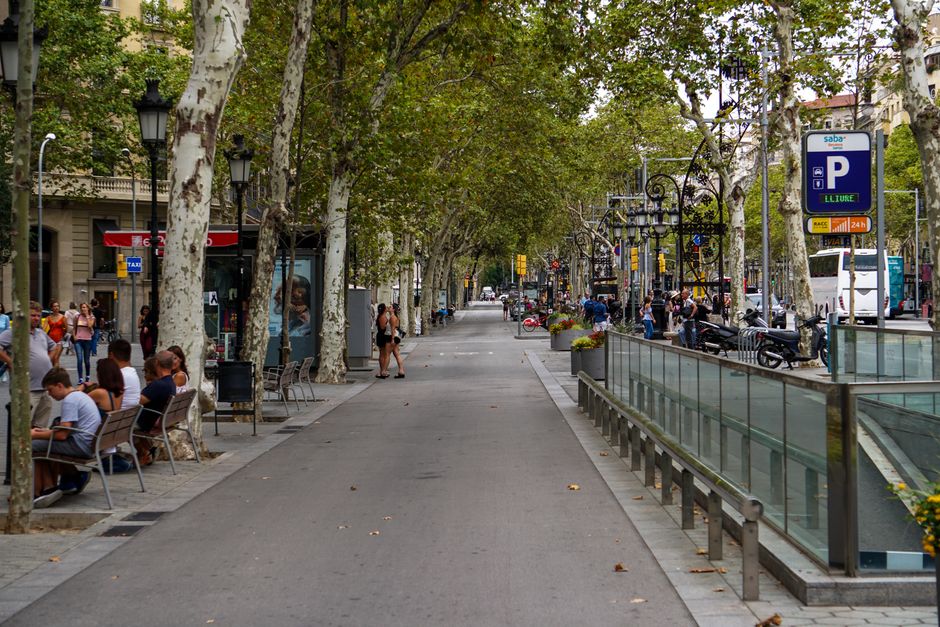
As Spain steps into 2026, this €25 pass stands as a beacon of progress, making the nation’s public transport a vital ally in sustainable travel. By democratising access to iconic destinations, it invites more people to embrace the journey, from Barcelona’s bustling boulevards to the whispering winds of the Pyrenees, all while nurturing a cleaner, greener future.
(Word count: 752)