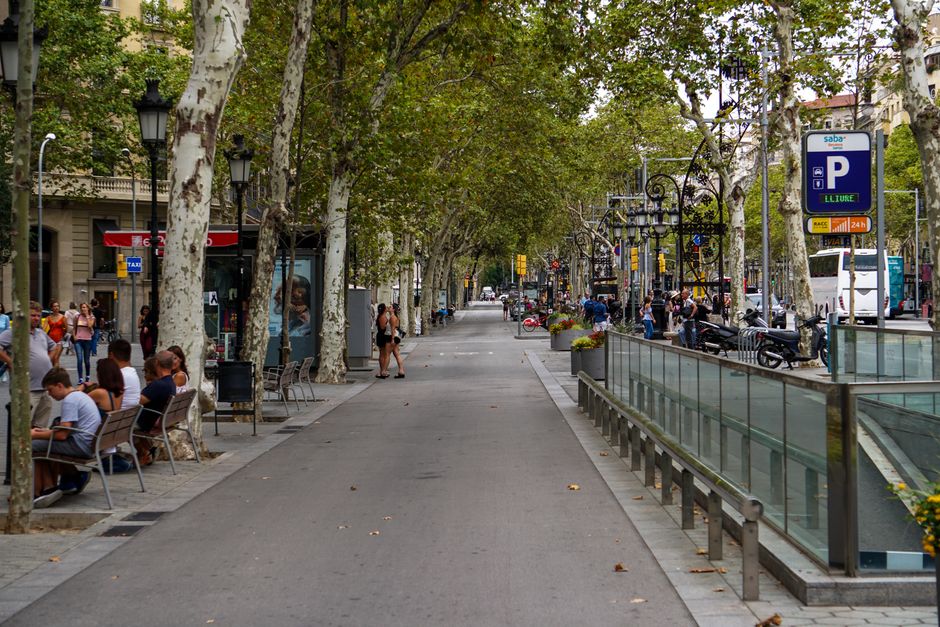

Spain, Unknown – January 13, 2026 — Barcelona has committed €50 million to establish a cutting-edge tech hub in the vibrant Gràcia district, poised to generate 1,000 skilled positions in artificial intelligence by summer 2026. This initiative marks a bold step in transforming the neighbourhood’s creative legacy into a powerhouse for digital innovation and economic vitality.
The project, centred on repurposing a cluster of historic buildings along Passeig de Gràcia and Travessera de Gràcia, will span 15,000 square metres of modernised facilities. Equipped with collaborative workspaces, advanced computing labs and community event spaces, the hub aims to foster synergies between local startups, universities and global firms. Construction begins in March 2026, with full operations targeted for July, aligning with Barcelona’s broader ambition to amplify its knowledge-driven economy.
Gràcia, long celebrated for its artistic heritage and independent spirit, emerges as an ideal location. Existing coworking venues like betaHaus already draw international professionals, blending productivity with neighbourhood charm. City officials envision the hub building on this foundation, integrating rooftop terraces for informal brainstorming and ground-floor cafes to encourage cross-sector exchanges. “This development will weave technology seamlessly into Gràcia’s cultural fabric, nurturing talent while preserving its unique character,” said Maria Puig, Director of Barcelona’s Economic Development Office.
Support from the Government of Catalonia underscores the project’s momentum. Agencies such as ACCIÓ have championed similar expansions, helping firms like cloud software provider Infor grow their presence in nearby districts. The Gràcia hub extends this success, prioritising AI applications in sectors like healthcare, mobility and sustainable urban planning. Projections indicate it will contribute to Catalonia’s tech ecosystem, already producing €2.5 billion annually and forecasted to reach €3.6 billion by 2026 through diverse innovations.
Local universities play a pivotal role in talent pipelines. Institutions including Universitat Politècnica de Catalunya and Universitat de Barcelona will partner to deliver specialised training programmes, targeting 2,000 ICT graduates yearly. Vocational initiatives have surged 42% in recent years, ensuring a steady flow of experts proficient in machine learning, data analytics and ethical AI deployment. “Our graduates are eager for opportunities like these, where they can apply classroom knowledge to real-world challenges,” noted Dr. Elena Torres, Dean of Digital Technologies at UPC.
Community engagement has shaped the hub’s design from the outset. Residents’ workshops in late 2025 gathered input on green features, such as solar panels and rainwater harvesting systems, reflecting Barcelona’s commitment to sustainable progress. Neighbourhood associations praise the initiative for promising quality employment without disrupting daily life. “Gràcia thrives on creativity; this hub will empower our young people to innovate right here at home,” remarked Joan Serra, President of the Gràcia Neighbours’ Federation.
The economic ripple effects promise widespread benefits. With 1,000 jobs—ranging from AI engineers to project coordinators—the hub addresses the rising demand for high-skilled roles, where Barcelona’s tech workforce exceeds 26,000 professionals. Salaries in these positions average €55,000 annually, bolstering local spending and housing stability. Broader impacts include spin-off startups and enhanced nearshore services for international partners, positioning the city as a bridge between European talent and global markets.
Events like the upcoming Talent Arena 2026, set for March in Fira de Barcelona, will spotlight Gràcia’s rise. Organised by Mobile World Capital Barcelona, the gathering connects developers with industry leaders, reinforcing the district’s appeal. Deputy Mayor Jordi Valls highlighted such collaborations as vital for “generating human capital in digital fields, strengthening economic resilience.”
Private sector enthusiasm is palpable. Firms inspired by recent office openings in 22@ district see Gràcia as the next frontier, drawn by its accessibility and vibrant atmosphere. EasyJet’s planned digital centre and other investments signal confidence in Barcelona’s trajectory. The hub’s focus on generative AI for code optimisation and process efficiency aligns with regional strengths, where 68% of tech centres explore frontiers like blockchain and robotics.
By summer 2026, the Gràcia Tech Hub will stand as a testament to collaborative foresight. It promises not only jobs but a thriving ecosystem where ideas flourish, talent excels and communities prosper. Barcelona’s knowledge economy, now accounting for nearly 50% of gross value added, continues its upward trajectory, driven by such forward-thinking endeavours.
(Word count: 752)
—
Image Credit: Photo by iamromankraft on Unsplash