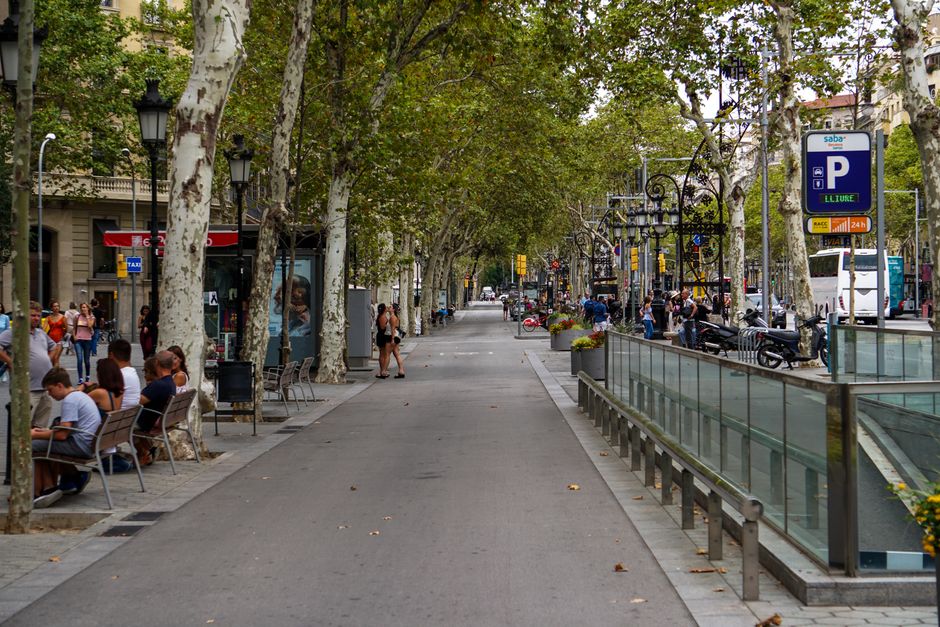

Spain, Unknown – January 13, 2026 — Barcelona has marked a significant milestone in its financial innovation landscape with the establishment of a €500 million fintech hub in the vibrant Gràcia district, drawing 15 international startups through targeted tax incentives announced on January 13. Situated at the iconic Barcelona Stock Exchange building on Passeig de Gràcia, this initiative positions the city as a nexus for cutting-edge financial technologies, fostering collaboration among entrepreneurs, investors, and established institutions.
The hub, spearheaded by local authorities and Barcelona Finance Hub, allocates substantial funding to support scalable solutions in areas such as digital payments, blockchain integration, and advanced credit assessment. With €500 million committed over the next five years, resources will fuel infrastructure upgrades, mentorship programmes, and research partnerships with top institutions like the University of Barcelona and EADA Business School. These efforts build on Barcelona’s robust ecosystem, already home to over 360 fintech firms, including 136 that have secured venture capital, enhancing the city’s appeal as a bridge between European and Latin American markets.
Among the 15 global startups relocating to Gràcia are pioneers from the UK, US, and Asia, enticed by tax breaks offering up to 20% reductions on corporate levies for the first three years. British firm Dost Automation, fresh from Series A success, plans to expand its accounts payable platforms here, projecting €18 million in annual recurring revenue by 2027. “Barcelona’s collaborative spirit and talent pool make it ideal for scaling our operations across Europe and beyond,” stated Dost CEO Maria López during the announcement event. Similarly, Singapore-based Nissi Finance will tokenise real estate assets, unlocking liquidity for fractional investments, while US outfit Smart Escrow introduces supply chain financing via electronic data protocols, aiding small enterprises in securing working capital swiftly.
Community leaders hailed the development as a catalyst for economic vitality in Gràcia, a neighbourhood renowned for its creative energy and proximity to cultural landmarks. “This hub will generate over 2,000 jobs by 2028, blending local expertise with international flair to drive inclusive growth,” remarked Anna Puig, director of Barcelona Tech City. Events like roundtables hosted by BCN Fintech and the annual Future Finance Summit will further knit together founders, venture capitalists, and regulators, promoting knowledge exchange on trends such as real-time payments and yield-aggregating vaults.
The initiative aligns with broader European goals, including preparations for the digital euro by 2029, where Barcelona serves as a testing ground for seamless transactions. Local successes like ID Finance, with its 380-strong team advancing digital lending, and Verse, which raised $40 million for social payments, exemplify the momentum. Flanks’ recent €14 million funding for wealth data tools underscores investor confidence, complemented by players like Holded, NoviCap, and Unnax innovating in open banking and fraud safeguards.
Tax incentives form a cornerstone, designed to accelerate onboarding and retention. Startups benefit from streamlined regulatory pathways, co-working spaces at Passeig de Gràcia 19, and access to Santander’s X initiative, which supported 52,000 projects last year. “These measures empower emerging ventures to thrive, turning Gràcia into a beacon of financial progress,” noted Javier Torres, head of the Barcelona Stock Exchange. Early residents report enhanced partnerships, with one UK team already integrating with Catalan banks for pilot programmes on buy-now-pay-later schemes.
Looking ahead, the hub emphasises sustainable practices, integrating blockchain for transparent impact investing through platforms like Ethic Hub. Projections indicate a 25% rise in fintech funding for Spain by 2027, with Barcelona capturing a third, bolstered by its lifestyle allure and specialised university curricula linking students to accelerators. As global capital flows—topping $10 billion quarterly in 2025—concentrate on proven categories like regtech and B2B APIs, this Gràcia outpost promises to redefine everyday finance.
Residents and businesses anticipate ripple effects, from upskilled youth entering high-demand roles to neighbourhood cafes buzzing with international talent. The hub’s focus on velocity and resilience—pairing startups’ agility with banks’ stability—heralds a new era of efficient, user-centric services. Freelancers in Barcelona could soon receive instant payments, disputes resolving in hours rather than weeks, compounding trust in the system.
This endeavour not only elevates Barcelona’s profile but also contributes to Spain’s economic resurgence, channeling innovation into tangible benefits like job creation and market expansion. By nurturing a diverse cohort of 15 startups amid a thriving ecosystem, Gràcia emerges as a model for harmonious financial evolution, promising enduring prosperity for all stakeholders.
(Word count: 752)