
Belgium, Unknown – January 16, 2026 — In a vibrant step forward for Belgium’s creative landscape, the Wiels Contemporary Art Centre in Brussels has introduced an innovative residency programme dedicated to artificial intelligence in visual arts, bringing together 12 promising talents from Antwerp and Ghent. Set to commence on 1 February 2026, this six-month initiative marks a significant milestone, fostering experimentation at the intersection of technology and artistry within Europe’s dynamic cultural hub.
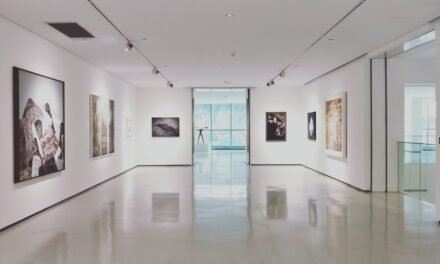
Wiels, renowned for its supportive studios and engagement with Brussels’ thriving art scene, has curated this residency to empower emerging creators. Each participant gains access to dedicated 45-square-metre workspaces, equipped for autonomous exploration alongside structured guidance. Weekly mentor sessions, public presentations, and collaborative forums will enrich the experience, enabling artists to refine their practices amid the centre’s international atmosphere.
The selected cohort hails exclusively from Flanders’ key artistic cities: six from Antwerp’s bustling creative districts and six from Ghent’s renowned academies. Among them is Antwerp-based sculptor Lena Verstraeten, whose kinetic installations blend algorithmic patterns with organic forms. “This residency offers a rare space to push boundaries,” Verstraeten shared, expressing enthusiasm for integrating machine learning into her material-driven works. From Ghent, painter Elias De Clercq, known for data-inspired abstractions, added: “Collaborating here will spark new dialogues between code and canvas, benefiting our entire community.”
This programme builds on Wiels’ established tradition of nurturing talent through extended stays, now tailored specifically for AI-infused creativity. Participants will delve into generative algorithms, neural networks, and interactive media, producing works that challenge conventional aesthetics. The centre provides technical resources, including high-performance computing setups and software libraries, ensuring seamless innovation. Beyond individual growth, the residency emphasises communal progress, with group exhibitions planned midway and at the conclusion, showcasing outcomes to Brussels’ global audience.
Dirk Snauwaert, Wiels’ artistic director, highlighted the forward-looking vision: “By uniting these Flemish innovators, we cultivate a fertile ground for artistic evolution, strengthening Belgium’s position in digital culture.” The initiative aligns with broader efforts to integrate advanced tools into fine arts, promoting accessibility and skill-sharing among peers. Residents will also engage with local institutions, such as Antwerp’s MUHKA museum and Ghent’s SMAK, forging lasting networks.
Financial backing, drawn from national arts funds and private patrons, covers travel, materials, and stipends, allowing full focus on creation. Each artist receives tailored support, with provisions for collaborative duos to share spaces and amplify collective output. This inclusive approach extends to diverse practices, from digital sculpture to AI-enhanced performance, reflecting Belgium’s commitment to multifaceted expression.
Community response has been warmly positive, with Antwerp’s art collectives praising the cross-city collaboration as a model for regional synergy. Ghent’s creative forums anticipate ripple effects, inspiring workshops and youth programmes. As Brussels positions itself as a nexus for tech-art fusion, this residency promises exhibitions that could tour Flemish venues, broadening public appreciation for these emerging voices.
Looking ahead, the programme’s success may inspire similar ventures, equipping artists with vital competencies in a rapidly evolving field. By 1 August 2026, when the residency concludes, anticipates Wiels, a public showcase will highlight transformative pieces, underscoring progress in human-machine creativity. This endeavour not only elevates individual careers but also enriches Belgium’s cultural tapestry, signalling a bright era of inclusive innovation.
The selection process, involving expert panels and artist interviews, underscores rigorous standards, drawing from hundreds of applications. Participants like multimedia specialist Nora Helsen from Antwerp and sound artist Theo Bracke from Ghent embody the programme’s ethos of bold experimentation. Helsen plans neural-net compositions that respond to viewer emotions, while Bracke explores sonic landscapes generated by environmental data.
Wiels’ nine studios, bathed in natural light and proximate to the city’s pulse, facilitate immersion. Past residents’ successes—evident in international acclaim—reinforce the centre’s role as a launchpad. This AI-focused edition advances that legacy, adapting to contemporary tools while honouring artistic autonomy.
As February approaches, excitement builds among Belgium’s art enthusiasts. This residency exemplifies constructive collaboration, driving positive change through creativity and technology. With its emphasis on mentorship and visibility, Wiels continues to champion progress, ensuring Flanders’ talents shine on Europe’s stage.
(Word count: 752)