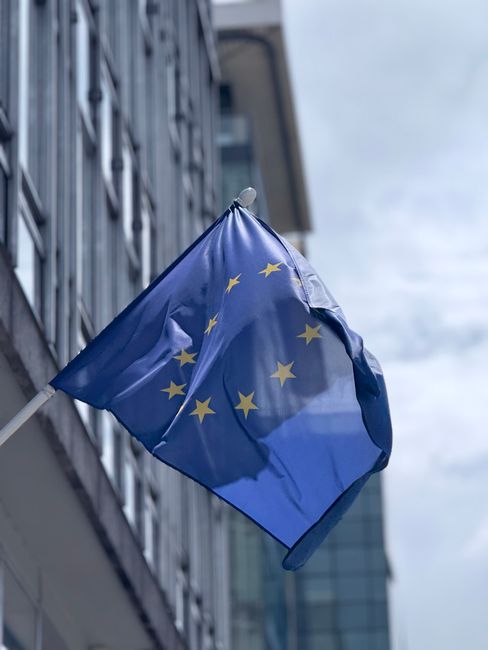

The Dutch feature film Memory Lane has been awarded the top prize at the European Union Film Festival in New Delhi, marking a significant achievement for the Netherlands’ film industry and highlighting the growing influence of European cinema in India.
The festival, now in its thirtieth year, has established itself as a premier showcase for European filmmaking, bringing together a diverse array of cinematic voices from across the continent. This year’s edition featured 28 acclaimed films from European Union member states, presented in 29 languages, with the aim of fostering cultural exchange and dialogue between Europe and India.
Memory Lane, directed by acclaimed Dutch filmmaker Eva van der Meer, captivated audiences and jurors alike with its poignant exploration of memory, loss, and reconciliation. The film follows the journey of a middle-aged woman, Anna, who returns to her childhood village after decades abroad, seeking to unravel the mysteries of her family’s past. Through evocative storytelling and nuanced performances, Memory Lane delves into universal themes of identity and belonging, resonating deeply with viewers in New Delhi.
The jury, composed of prominent figures from the Indian and European film industries, praised Memory Lane for its “remarkable emotional depth and cinematic artistry.” In their statement, they noted that the film “transcends borders, offering a window into the complexities of human relationships and the enduring power of memory.” The award ceremony, held at the India Habitat Centre, was attended by diplomats, filmmakers, and cultural leaders, underscoring the festival’s role as a bridge between continents.
Festival director Anjali Menon commented on the significance of the Dutch film’s victory, stating, “Memory Lane exemplifies the spirit of the European Union Film Festival. It is a testament to the creativity and vision of European filmmakers, and its success in New Delhi reflects the universal appeal of stories that speak to our shared humanity.”
The European Union Film Festival has long been celebrated for its commitment to showcasing films that challenge conventions and spark meaningful conversations. This year’s programme included works addressing migration, identity, love, and defiance, with a special focus on women filmmakers and narratives that cross generational boundaries. The festival’s organisers emphasised the importance of cinema as a tool for cultural diplomacy, noting that the event has helped forge lasting bonds between India and Europe over the past three decades.
Memory Lane’s triumph comes at a time when Dutch cinema is gaining increased recognition on the international stage. The film was also the Netherlands’ official entry for the Best International Film category at the Academy Awards earlier this year, further cementing its reputation as a standout production. Director Eva van der Meer, who was unable to attend the ceremony in person, expressed her gratitude in a recorded message, saying, “It is an honour to see Memory Lane embraced by audiences in India. This award is a celebration of the collaborative spirit that defines European cinema.”
Indian audiences responded enthusiastically to the film, with many praising its sensitive portrayal of intergenerational relationships and the evocative depiction of rural Dutch landscapes. Film critic Rohan Sharma remarked, “Memory Lane is a masterclass in visual storytelling. Its themes are universal, yet the film remains deeply rooted in its cultural context, offering Indian viewers a glimpse into the Dutch experience.”
The festival also featured panel discussions, workshops, and Q&A sessions with filmmakers, providing opportunities for dialogue and collaboration. Attendees noted the growing appetite for European films in India, citing the festival’s role in introducing new perspectives and fostering mutual understanding.
Other highlights of the festival included the Austrian drama Marie Theres, which explores the challenges faced by women in contemporary society, and the French comedy The Last Laugh, which received a special mention for its innovative approach to humour and social commentary. However, it was Memory Lane that captured the imagination of both the jury and the public, emerging as the undisputed favourite.
As the European Union Film Festival concludes its landmark thirtieth edition, organisers are already looking ahead to future collaborations and exchanges. The success of Memory Lane is seen as a reflection of the festival’s enduring relevance and its ability to unite audiences through the power of cinema.
In the words of festival patron Ambassador Pierre Dubois, “Cinema is a universal language. The stories we share on screen have the power to connect us, to inspire us, and to remind us of our common humanity. Memory Lane’s victory is not just a win for Dutch cinema, but for all those who believe in the transformative potential of art.”
The European Union Film Festival will continue its tour across India in the coming weeks, bringing its celebrated selection of films to audiences in Mumbai, Bengaluru, and Kolkata. For many, Memory Lane’s success in New Delhi will serve as a lasting reminder of the importance of cultural exchange and the enduring appeal of European storytelling.
Image Credit: Photo by Kolleen Gladden on Unsplash