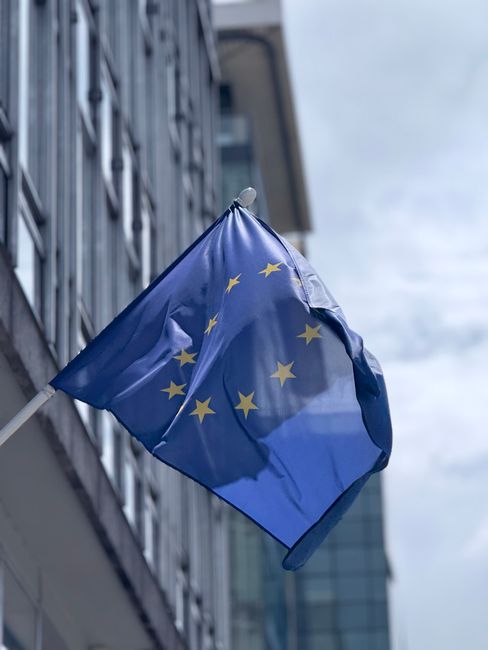

Brussels, Belgium – November 27, 2025 — The European Parliament has implemented a comprehensive set of mandatory transparency protocols governing lobbying activities, marking a significant shift in how the institution manages interactions between lawmakers and interest representatives. The new framework, which has already begun reshaping parliamentary operations, represents the most substantial overhaul of lobbying disclosure requirements in over a decade.
Under the revised rules, Members of the European Parliament and their assistants must now systematically declare all scheduled meetings with registered lobbyists and representatives of non-EU countries. This expansion significantly broadens the scope of previous requirements, which limited disclosure obligations to MEPs holding specific leadership positions such as rapporteurs, shadow rapporteurs, and committee chairs. The change has already produced measurable results, with parliamentary records showing over 30,000 meetings logged since the current mandate began—a 314 per cent increase compared to the equivalent period in the previous mandate.
The timing of these reforms proves particularly significant as the institution prepares for complex budget negotiations scheduled for 2026. Parliamentary officials emphasise that enhanced transparency mechanisms will provide citizens and stakeholders with clearer visibility into the legislative process during these critical discussions. The reforms address longstanding concerns about the potential for undue influence whilst maintaining legitimate channels for civic engagement and policy dialogue.
Registration through the mandatory Transparency Register now serves as a prerequisite for lobbyists seeking parliamentary access badges and participation in official hearings. The centralised database, maintained jointly by the European Parliament, the Council of the European Union, and the European Commission, publicly displays organisational goals, budgets, and documented meetings with policymakers. This interconnected approach creates multiple layers of accountability across EU institutions.
Analysis of the newly disclosed meeting data reveals important patterns in parliamentary engagement. Approximately 70 per cent of the organisations with the largest number of meetings represent commercial interests, though this represents a marked improvement compared to the European Commission’s lobbying profile. The data also demonstrates distinct engagement patterns across the political spectrum, with civil society organisations reporting higher meeting frequencies with left-leaning MEPs, whilst industry representatives concentrate their efforts on right-leaning colleagues.
The reforms emerged partly in response to high-profile incidents that exposed vulnerabilities in the institution’s oversight mechanisms. Parliamentary leadership has emphasised that the new protocols strengthen democratic resilience whilst preserving the institution’s openness to legitimate stakeholder input. Officials stress that the framework distinguishes between registered lobbyists operating transparently and unregistered entities, with the system designed to encourage participation from properly credentialed representatives.
Implementation challenges have already surfaced, however. Approximately half of all meeting entries continue to be logged using free-text descriptions rather than standardised terminology, complicating efforts to aggregate data and identify patterns. Some MEPs have recorded identical organisations under varying names, creating unnecessary complexity for researchers and citizens attempting to track lobbying activities. Parliamentary administrators are working to establish clearer standardisation protocols to address these inconsistencies.
The European Parliament has also tightened physical access procedures for journalists, diplomats, and lobbyists, requiring badge activation at every visit and mandatory declaration of attendance purposes. These measures complement the disclosure requirements by creating multiple verification checkpoints. Officials characterise these steps as balancing transparency imperatives with institutional security concerns, particularly following earlier restrictions implemented in May 2025.
Looking ahead, the Parliament continues developing additional safeguards specifically addressing third-country lobbying activities. A draft directive currently under consideration would establish mandatory national registers maintained by independent authorities, with information accessible through a centralised portal. The proposed framework emphasises that transparency requirements impose disclosure obligations without creating stigmatisation or restricting legitimate civic participation.
Parliamentary committees have adopted refined versions of the Commission’s original proposals, incorporating clearer definitions and protections against unintended consequences. These modifications reflect input from multiple political groups and civil society organisations concerned about preserving space for legitimate advocacy whilst strengthening oversight mechanisms.
The reforms underscore the Parliament’s commitment to maintaining public trust in EU decision-making processes. By requiring systematic disclosure of lobbying activities and standardising reporting procedures, the institution aims to provide citizens with comprehensive information about who seeks to influence legislative outcomes. As budget negotiations approach, these enhanced transparency protocols will enable stakeholders to understand the full range of interests engaged in parliamentary deliberations.
Implementation will continue throughout the current mandate, with parliamentary officials monitoring compliance rates and identifying areas requiring additional clarification or enforcement. The framework represents an evolving approach to balancing institutional openness with accountability, recognising that effective governance depends upon both transparent processes and legitimate opportunities for stakeholder engagement.
—
Image Credit: Photo by Nataliya Vaitkevich on Pexels