
Europe’s travel sector is experiencing unprecedented demand this year, with record numbers of tourists seeking out quieter, lesser-known destinations, even as transport strikes and rising costs disrupt traditional travel patterns across the continent.
Recent data from the European Travel Commission reveals that international arrivals rose by 3.3% in the second quarter of 2025 compared to the previous year, underscoring the resilience of the sector amid ongoing economic and geopolitical challenges. While the number of nights spent by tourists dipped slightly—largely attributed to shifting holiday calendars rather than waning interest—overall travel expenditure is forecast to climb by 13% this year, indicating that travellers are willing to spend more per trip despite higher prices.
A notable trend this season is the growing preference for off-the-beaten-path locations. As concerns mount over overcrowding in Europe’s most popular cities and resorts, many travellers are turning their attention to destinations that offer both value for money and a respite from the crowds. Countries such as Malta and Cyprus have seen arrivals surge by 19% and 16% respectively, buoyed by improved air connectivity and targeted marketing that highlights their year-round appeal. Central and Eastern European nations, including Latvia, Lithuania, and Hungary, have also recorded double-digit increases in visitor numbers, reflecting a broader shift towards exploring less congested regions.
This migration away from traditional hotspots is not solely a response to overcrowding. Elevated costs for flights and accommodation, particularly in Southern Europe, are prompting travellers to seek alternatives where their budgets stretch further. The price of international flights to Mediterranean destinations has risen by 5% in the first four months of 2025, while package holidays are up by 7%. Nevertheless, tourism revenues in countries such as Spain, Cyprus, and Malta have grown significantly, suggesting that visitors are spending more during their stays, especially outside the peak summer months.
The appetite for off-season travel is also on the rise. Searches for spring getaways increased by 36% year-on-year among European travellers, with many seeking sun and beach destinations before the height of summer. This trend is partly driven by a desire to avoid the extreme heat and congestion that have become hallmarks of the high season, as well as by shifting school holiday schedules and the late timing of Easter this year.
Despite the buoyant demand, the sector faces persistent challenges. Transport strikes have disrupted rail and air travel in several countries, complicating journeys for both domestic and international tourists. Airlines have also been forced to reroute flights due to geopolitical tensions in the Middle East, reducing capacity on some long-haul routes and raising concerns about connectivity from Asia and Oceania during the busy summer period.
Unbalanced tourism remains a pressing issue in certain locations, with demonstrations against overcrowding taking place in several major European cities. Local authorities are increasingly focused on promoting sustainable and inclusive tourism strategies that balance the needs of residents with the expectations of visitors. Industry leaders are calling for greater innovation and investment to ensure that growth in tourism does not come at the expense of local communities or the environment.
Long-haul travel to Europe continues to show resilience, particularly from the United States, where arrivals remain higher than last year. The Nordic countries have seen especially strong growth in overnight stays from American visitors, with Norway and Denmark reporting increases of 35% and 24% respectively. Southern European destinations such as Croatia, Montenegro, and Greece have also benefited from a rise in US arrivals, supported in part by competitive airfares on transatlantic routes.
Travel from China is gradually recovering, with all reporting destinations noting increases in arrivals or overnight stays compared to 2024. Smaller countries such as Estonia and Romania have seen particularly robust growth, while larger markets are expected to improve further as air connectivity with major Chinese cities expands.
Within Europe, nearly one in three residents plans to take a city or cultural break in the coming months, with urban destinations such as Barcelona, Berlin, Copenhagen, Helsinki, London, Paris, and Rome remaining popular. However, there is a discernible shift in traveller motivations, with a growing emphasis on wellness, nature, and purpose-driven experiences such as sport, adventure, and culinary pursuits.
As the high season approaches, the outlook for European tourism remains positive, albeit tempered by the need to address ongoing operational challenges and ensure that growth is managed sustainably. With travellers increasingly seeking authentic experiences in quieter settings, destinations across the continent are adapting to a new era of tourism—one defined as much by mindful exploration as by record-breaking demand.
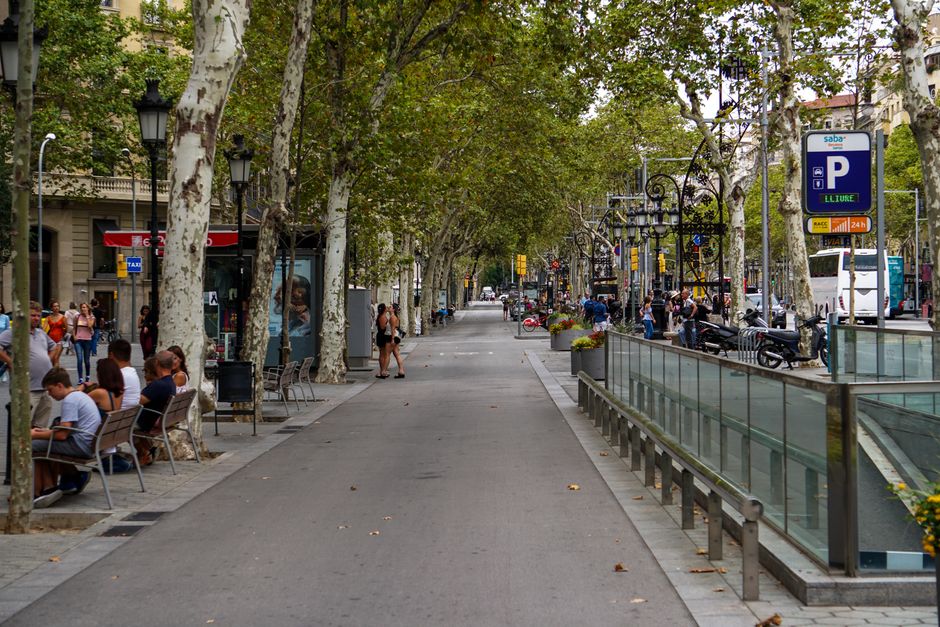
Image Credit: Photo by Joe Gardner on Unsplash