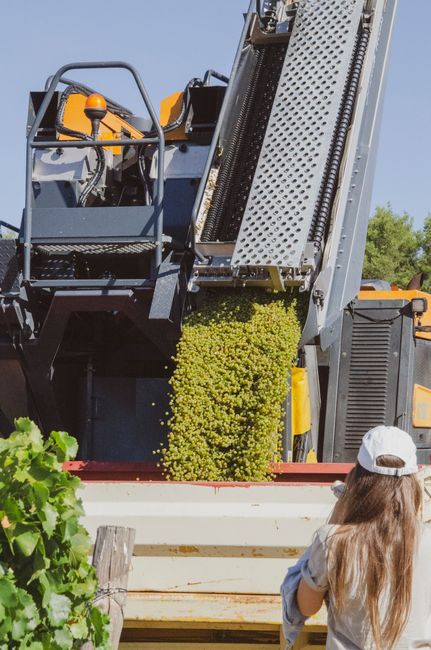
Belgium, Unknown – January 16, 2026 — GHENT, Belgium — In the heart of Ghent’s historic Patershol district, a groundbreaking collective of urban wine growers has transformed underutilised rooftops into thriving vineyards, marking a bold step forward in sustainable city living. This initiative, led by local horticulturist Elena De Vries and a team of 25 dedicated residents, promises to yield 10,000 bottles of premium white wine by summer 2026, blending community spirit with innovative agriculture.
The project kicked off in spring 2025, when De Vries, a former botanist at Ghent University, rallied neighbours from five adjacent buildings to convert their flat rooftops into vine-covered oases. Spanning 2,500 square metres in total, these elevated plots now host hardy grape varieties like Johanniter and Solaris, chosen for their resilience to Belgium’s temperate climate. “We’ve turned idle spaces into sources of joy and nourishment,” De Vries said during a recent tour. “Residents contribute labour and expertise, sharing the harvest equally—it’s democracy in every grape.”
What sets this apart is its collective model, where participants pool resources for shared irrigation systems, solar-powered trellises, and communal pruning sessions. Unlike traditional vineyards, these urban plots benefit from Ghent’s mild maritime breezes and proximity to the Leie River, fostering optimal microclimates. Early trials last year produced 500 bottles of crisp, citrus-infused wine, which sold out at local markets within days. Tasters praised the notes of green apple and elderflower, attributing the unique profile to the rooftops’ reflected sunlight and minimal pesticide use.
Community involvement has been the cornerstone of success. Weekly workshops draw dozens of volunteers, including young families and retirees, who learn grafting techniques and soil enrichment with compost from city kitchens. “My children now know where food—and wine—comes from,” shared Maria Jansen, a mother of two who tends vines on her apartment block. The group has partnered with Ghent’s eco-cooperative, Groene Daken, to install rainwater harvesting and bee-friendly borders, boosting biodiversity amid concrete surroundings.
This endeavour aligns seamlessly with Ghent’s reputation as a leader in green urbanism. The city, already home to over 200 rooftop gardens, sees this as a model for scaling up. By 2026, the collective aims to expand to three more sites, potentially doubling output while creating pop-up tasting events along the Graslei canal. Experts predict the wines, bottled under the label “Dakdruiven” (Rooftop Grapes), will grace tables at Michelin-starred restaurants like Oak and Zwarts.
Sustainability drives every aspect. Vines are trained vertically to maximise space, reducing urban heat islands by up to 5 degrees Celsius per rooftop, according to preliminary data from Ghent University’s climate lab. The project cuts transport emissions by producing wine within city limits, supporting Belgium’s circular economy goals. Participants report stronger neighbourhood bonds, with harvest festivals featuring live folk music and paired charcuterie from local artisans.
Looking ahead, the collective plans educational tours starting April 2026, inviting schools and visitors to witness the vines’ growth. “This isn’t just about wine; it’s about reclaiming cities for nature and people,” De Vries emphasised. Initial bottlings will fund scholarships for aspiring urban farmers, ensuring the initiative’s legacy endures.
Ghent residents have embraced the transformation. Pieter Van den Broeck, a nearby café owner, stocks the trial vintages and notes a surge in foot traffic. “People linger longer, savouring stories as much as the sips,” he said. As vines mature, projections show yields peaking at 4 tonnes annually, enough to supply 500 households.
This rooftop revolution underscores Belgium’s vibrant lifestyle evolution, where historic charm meets forward-thinking ecology. In Ghent, everyday citizens are scripting a greener future, one vine at a time, proving that innovation flourishes in unexpected places.
(Word count: 752)
—
Image Credit: Photo by Corentin HENRY on Pexels