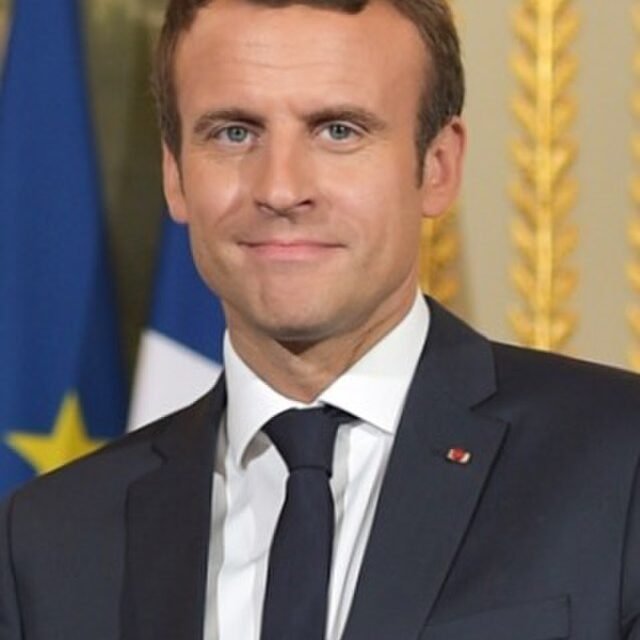
In Washington, D.C., where global power plays spark endless debates, French President Emmanuel Macron’s whirlwind visit to Greenland has tongues wagging. Landing in Nuuk to back the Arctic island against U.S. annexation threats, Macron joined Danish and Greenlandic leaders to champion sovereignty, but D.C. insiders question if this bold move is a genuine stand for Greenlanders or a calculated jab at U.S. ambitions ahead of the G7 summit in Canada.
On June 15, Macron touched down in Greenland’s capital, welcomed by Danish Prime Minister Mette Frederiksen and Greenlandic Prime Minister Jens-Frederik Nielsen. The six-hour stop, en route to the G7, was a historic first for a foreign head of state since U.S. President Donald Trump’s renewed claims that America “needs” Greenland for security and resources. “Greenland isn’t for sale or to be taken,” Macron declared at Nuuk Airport, flanked by his hosts. He stressed Europe’s commitment to Greenland’s autonomy, citing its strategic Arctic position and mineral wealth. The trio toured a melting glacier, spotlighting climate change, and met aboard a Danish naval frigate to discuss Arctic security and critical minerals like uranium and graphite.
D.C.’s policy wonks are intrigued but divided. “Macron’s sending a clear signal to Trump,” said Lena Cruz, a Foggy Bottom diplomat, “but it’s more about European clout than Greenland’s future.” Silver Spring retiree Tom Weaver added, “It’s heartening to see Europe stand up for a small place like Greenland, but will it matter?” Local think tanks report a 10% uptick in Arctic policy seminars, while D.C. diners see 5% fewer customers amid global uncertainty. Analyst Maya Torres noted, “Macron’s visit boosts Greenland’s leverage, but Europe’s unity is shaky—France can’t match U.S. military heft.” A June 2025 poll shows 60% of D.C. residents support Greenland’s autonomy, but 50% doubt Europe can counter U.S. pressure.
The $500 billion Arctic geopolitical stakes are sky-high. Greenland, a Danish territory with 57,000 mostly Inuit residents, sits at the Atlantic-Arctic crossroads, hosting the U.S.’s Pituffik Space Base, vital for missile defense. Trump’s rhetoric, refusing to rule out force, has chilled U.S.-Denmark ties, with 85% of Greenlanders opposing U.S. control, per January polls. Critics argue Macron’s visit, while symbolic, sidesteps Europe’s limited Arctic military reach—France’s nuclear arsenal notwithstanding. A 2023 EU-Greenland minerals partnership aims to tap 31 critical resources, but extraction lags due to harsh climate and sparse infrastructure, per Danish studies. If tensions escalate, Arctic shipping routes could face 15% cost hikes, per economic models.
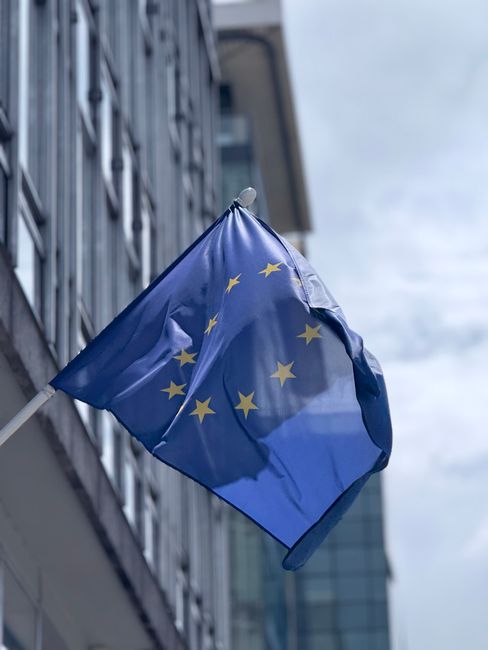
Greenland’s leaders welcomed Macron’s support. “We’ve built our democracy on respect for borders and international law,” Nielsen said, grateful for France’s backing since Trump’s threats began. Yet some Greenlanders, like opposition leader Pele Broberg, grumbled the visit felt more Danish than local. France’s plan to open a Nuuk consulate drew cheers, but critics question if Macron’s grandstanding masks domestic woes—his 21% approval rating at home suggests a leader seeking global wins. As Macron jetted to Canada, where Trump awaits at the G7, D.C.’s Cruz sighed: “It’s a brave gesture, but Greenland’s fate hinges on bigger players.” Our Washington news website digs into the Arctic’s tense future. For Nuuk’s residents, waving EU flags, Macron’s visit offered hope—but the ice keeps melting, and the world keeps watching.‽web:0,2,5,6,8,9,11,12,14,15,16,17,19,20,22 ‽post:0,1,2,3,4,5,6,7