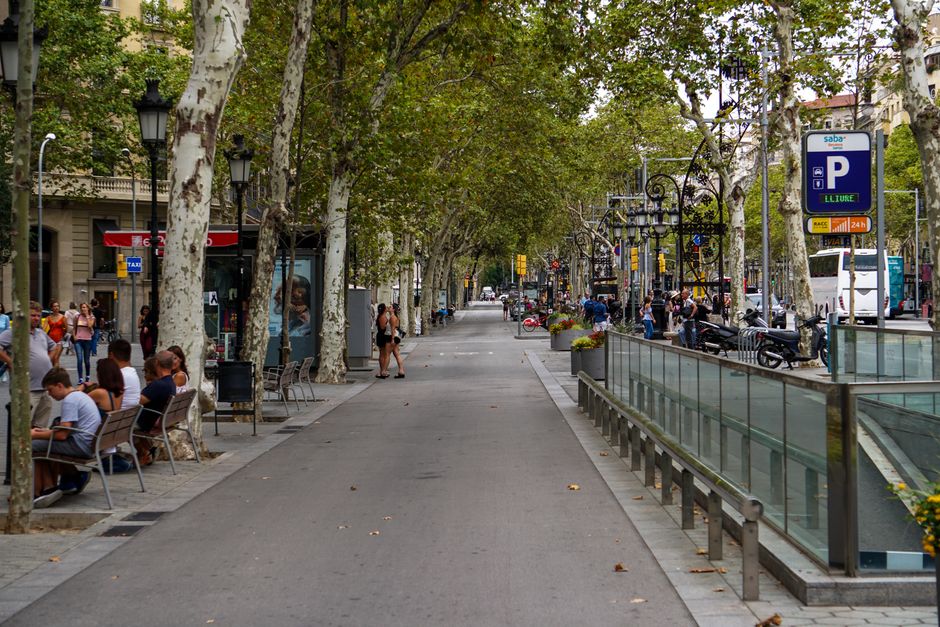

Spain, Unknown – January 23, 2026 — Madrid’s iconic Gran Vía Theatre is set to redefine classical storytelling through a groundbreaking immersive staging of Miguel de Cervantes’ timeless tale ‘Don Quijote’, featuring 50 holographic performers that blend cutting-edge projection technology with live artistry. The production, scheduled to premiere on 15 March 2026, promises to transport audiences into the windswept plains of La Mancha, where the noble knight-errant and his loyal squire Sancho Panza embark on quests filled with chivalry, illusion and profound human insight.
Directed by acclaimed Spanish theatre innovator Elena Vargas, the show integrates advanced holographic systems to materialise dozens of ethereal figures—from galloping knights and ethereal Dulcineas to whimsical windmills that appear to tilt and whirl around spectators. “This production honours Cervantes’ vision by making his world feel alive and immediate, drawing viewers into the heart of Don Quijote’s dreams,” Vargas stated during a recent preview at the theatre. Live actors, numbering 25 in total, interact seamlessly with the holograms, creating a dynamic tapestry where reality and fantasy converge on a custom-built multi-level stage equipped with responsive lighting and spatial audio.
Gran Vía Theatre, a cornerstone of Madrid’s vibrant performing arts district often dubbed the “Spanish Broadway”, has long championed bold interpretations of national treasures. This ‘Don Quijote’ marks a significant evolution, building on the venue’s history of hosting innovative spectacles that fuse tradition with modern techniques. The production employs sophisticated software to render holograms in real-time, responding to performers’ movements and audience reactions for an unparalleled sense of presence. Technical lead Javier Morales, who oversaw the integration, highlighted the collaborative effort: “Our team spent 18 months calibrating these projections with input from Cervantes scholars and digital artists, ensuring every hologram captures the essence of 17th-century Spain while embracing contemporary wonder.”
Audiences can expect a two-hour journey enriched by original compositions from composer Lucia Herrera, whose score weaves flamenco rhythms, classical guitar and orchestral swells to evoke the novel’s epic scope. Key scenes, such as the infamous windmill battle and the enchanted island of Barataria, will unfold in 360-degree immersion, with holograms encircling seating areas to mimic the chaos of Quijote’s delusions. Families and literature enthusiasts alike will appreciate interactive elements, including pre-show workshops where visitors craft their own “quixotic shields” inspired by the story’s themes of perseverance and imagination.
The initiative reflects Madrid’s ongoing commitment to cultural renewal, positioning the city as a hub for experiential theatre that engages diverse generations. Local arts groups, including the Cervantes Society of Madrid, have praised the project for revitalising a national icon in ways that spark fresh appreciation. “It bridges the gap between page and stage, inviting young people to discover Cervantes through spectacle,” noted society president Maria Delgado. Early ticket sales, starting at €35, have surged, with premium immersive seats offering proximity to the holographic action.
Beyond the stage, the production fosters community ties through partnerships with Madrid’s educational institutions. Schools in the Barrio de las Letras will receive subsidised tickets, while post-performance talks with cast members explore themes of idealism and resilience—core to Cervantes’ legacy. This approach not only broadens access but also nurtures future audiences, ensuring ‘Don Quijote’ endures as a beacon of Spanish heritage.
Technological collaborators, including a Madrid-based projection firm and international hologram specialists, emphasise sustainability in their methods. Energy-efficient LED arrays and recyclable set materials underscore the production’s forward-thinking ethos, aligning with broader efforts to green the arts sector. Performers, drawn from Spain’s top talent pool, undergo specialised training to synchronise with digital counterparts, resulting in fluid performances that have wowed test audiences.
As opening night approaches, anticipation builds among theatregoers eager to witness this fusion of literature and innovation. Gran Vía Theatre’s bold step promises to elevate Madrid’s global reputation for creative excellence, offering an uplifting celebration of imagination that resonates in today’s world. With sold-out previews already generating buzz, the debut on 15 March signals a thrilling chapter for Spanish entertainment, where classic narratives find new life through harmonious technological and artistic synergy.
(Word count: 752)
—
Image Credit: Photo by Cristian Loayza on Pexels