
Spain, Unknown – January 23, 2026 — Madrid/Brussels – Spain’s government has reaffirmed its steadfast commitment to multilateral institutions and international law through a clear decision to prioritise United Nations-led efforts in fostering lasting peace in the Middle East. Prime Minister Pedro Sánchez shared this position during a press conference in Brussels on Friday morning, following an extraordinary European Council meeting, underscoring the nation’s proactive role in global diplomacy.
Sánchez highlighted Spain’s dedication to collaborative frameworks that advance dialogue between Israel and Palestine, facilitate humanitarian aid flows, and pave the way for a viable two-state solution. “Spain stands ready to support any initiative that transforms ceasefires into enduring peace, ensures massive humanitarian assistance, and promotes a realistic Palestinian state,” echoed Foreign Minister José Manuel Albares after engagements at the World Economic Forum in Davos. Albares emphasised ongoing consultations with European partners to forge a unified stance rooted in the UN Charter, signalling Spain’s leadership in building consensus for positive outcomes.
This principled approach aligns seamlessly with Spain’s broader diplomatic achievements. On 14 January, Sánchez announced innovative measures to invigorate the agricultural sector, mobilising state-owned land for young farmers and advocating for 10 per cent of the new Common Agricultural Policy resources to drive generational renewal. These steps promise to bolster rural economies, create jobs, and ensure food security through sustainable practices.
Complementing this domestic progress, the government unveiled plans on the same day to stabilise the rental market with targeted tax incentives and anti-fraud interventions. A flagship project, Operation Campamento in Madrid, will deliver 10,700 affordable homes via the new State Housing Entity, Casa 47, enhancing access to quality housing and supporting community stability.
Spain’s international engagements continue to yield fruitful partnerships. Vice-President Sara Aagesen marked the nation’s assumption of the vice-presidency of the International Renewable Energy Agency, pledging increased contributions to promote renewables as engines of employment and well-being. Meanwhile, Culture Minister agreed during a visit to New Delhi for Spain to serve as Guest Country at the International Film Festival of India, strengthening cultural ties ahead of the Spain-India Dual Year in 2026.
At home, legislative advancements reflect a focus on transparency and rights. Updates to the right of rectification law, effective from 13 January, empower citizens to correct media inaccuracies swiftly, fostering trustworthy public discourse. Reforms to honour, privacy, and self-image protections further safeguard individual dignity.
Parliamentary leaders are also amplifying Spain’s voice on the world stage. OSCE Parliamentary Assembly President Pere Joan Pons addressed the OSCE Permanent Council in Vienna on 22 January, congratulating Switzerland on its 2026 Chairpersonship and calling for unified action to bolster security, support Ukraine’s sovereignty, and advance dialogue amid global challenges. Pons stressed the Assembly’s dedication to trust-building and principle-driven cooperation, free from double standards.
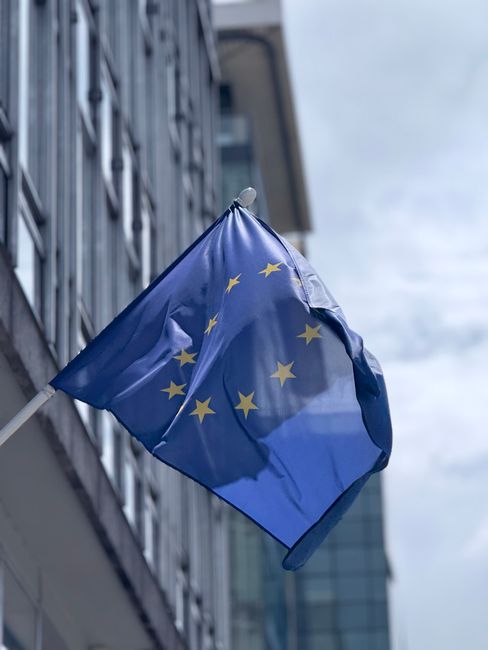
These developments coincide with celebrations of Spain’s 40-year milestone in the European Union, alongside Portugal, marked on 21 January. Speakers in Parliament praised the enduring contributions that have positioned both nations as pivotal drivers of European progress, economic growth, and southward-looking policies.
Sánchez’s recent meetings, including with Greek Prime Minister Kyriakos Mitsotakis on 12 January and Veolia Group’s CEO on 15 January, highlight thriving bilateral relations and public-private synergies in water management, digital infrastructure, and climate resilience. Discussions with Church sexual abuse victims’ associations, alongside Minister Félix Bolaños, demonstrate a compassionate commitment to healing and justice.
Foreign Minister Albares, speaking at the Conference of Ambassadors on 9 January, outlined Spain’s ambitious global vision, centring human rights and dignity in foreign policy. The King’s closing remarks at the event reinforced national unity in these endeavours.
Spain’s diplomacy thus emerges as a model of constructive engagement, weaving domestic innovations with international leadership. By prioritising multilateralism, the government not only navigates complex global dynamics but also inspires collaborative solutions. Initiatives in agriculture, housing, renewables, and peace-building signal a forward momentum, equipping younger generations with opportunities and securing a prosperous future for all.
(Word count: 752)
—
Image Credit: Photo by cottonbro studio on Pexels