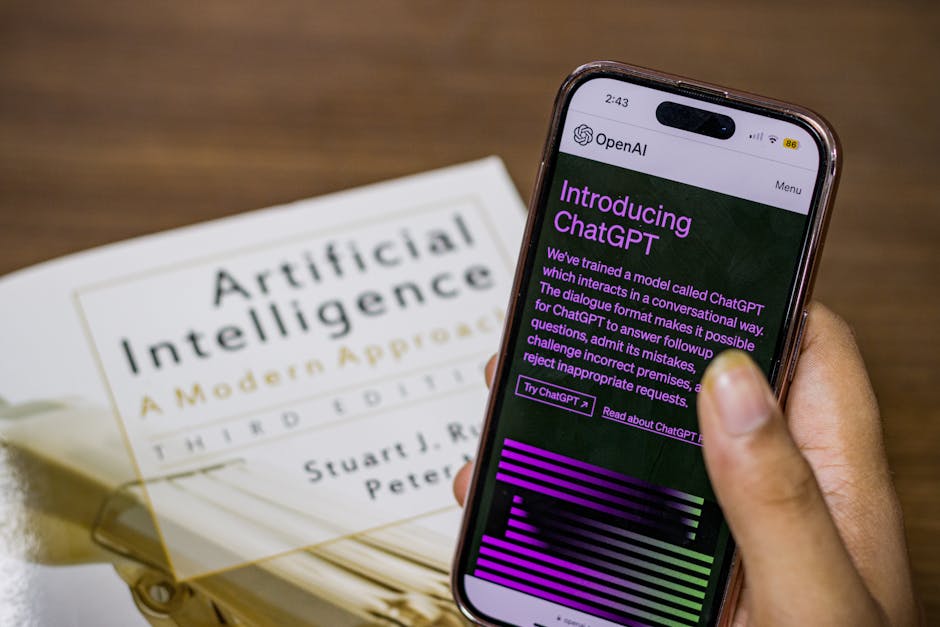

Stockholm, Sweden – November 26, 2025 — Stockholm is preparing to welcome international travellers with a technological innovation that transforms how visitors access information upon arrival. Beginning 27 November, Annexet—the Swedish capital’s premier events venue—will introduce multilingual conversational assistants designed specifically to guide international guests through their initial moments in the city.
The initiative represents a significant step forward in how European cities integrate emerging technologies into visitor services. Rather than relying on traditional information kiosks or printed materials, the new system enables travellers to interact naturally through text or voice, receiving real-time guidance on transportation options, accommodation recommendations, dining establishments, and cultural attractions throughout Stockholm.
The technology draws inspiration from successful implementations elsewhere in Europe, particularly recent deployments that have demonstrated how conversational interfaces can meaningfully enhance passenger experiences at major transport hubs. The Stockholm installation builds upon these proven models whilst tailoring the experience specifically for Nordic travellers and international visitors arriving in Sweden’s capital.
Annexet’s location at Avicii Arena positions the installation at a critical juncture in the visitor journey. The venue serves as a gateway for travellers arriving via multiple transport modes, making it an ideal location for introducing visitors to Stockholm’s extensive public transportation network, accommodation options, and cultural offerings. The timing coincides with the Travel News Market event scheduled for the same date, creating an opportunity to showcase the technology to industry professionals and travel sector stakeholders.
The conversational assistants support communication in multiple languages, addressing the practical challenge of serving Stockholm’s increasingly diverse international visitor base. Rather than requiring visitors to navigate complex menu systems or search through extensive databases, the system understands natural language queries and provides contextualised responses tailored to individual needs and preferences.
Key functionalities include real-time information on public transportation connections, hotel and accommodation options filtered by visitor preferences, restaurant recommendations based on cuisine type and location, cultural attraction guidance, and practical assistance with common visitor queries. The system can provide personalised recommendations for connecting different elements of a Stockholm visit, such as suggesting dining options near specific museums or entertainment venues.
The implementation reflects broader trends across European cities to enhance visitor experiences through technology integration. Cities including Rome have recently introduced similar conversational systems at major transport facilities, demonstrating growing recognition that international visitors benefit from accessible, multilingual information systems that operate continuously without staffing constraints.
Stockholm’s approach emphasises accessibility and user-friendliness. Rather than requiring technical expertise or familiarity with specific platforms, visitors can interact with the system through familiar communication methods—text-based conversation or voice queries—making the technology approachable for travellers of varying technical comfort levels.
The initiative also addresses practical challenges facing international visitors. Language barriers, unfamiliarity with local transportation systems, and difficulty identifying authentic dining and cultural experiences represent common pain points for travellers arriving in unfamiliar cities. By providing immediate, accurate, multilingual guidance, the system reduces friction in the visitor experience and enables travellers to make informed decisions about how to spend their time in Stockholm.
Industry observers note that such implementations can generate positive secondary effects beyond immediate visitor assistance. By providing consistent, accurate information about Stockholm’s attractions and services, the system can help distribute visitor traffic more evenly across the city, reduce strain on traditional information services, and enable tourism professionals to focus on more complex visitor needs requiring human expertise.
The technology’s deployment at Annexet also signals Stockholm’s commitment to positioning itself as a forward-thinking destination that embraces innovation whilst maintaining the hospitality values for which Nordic cities are recognised. The system complements rather than replaces human services, functioning as an additional resource available continuously to support visitor needs.
Looking forward, the installation at Annexet may serve as a pilot for broader implementation across Stockholm’s transport infrastructure and visitor facilities. Successful deployment could inform expansion to additional locations, potentially creating a comprehensive network of conversational assistants throughout the city that collectively enhance the visitor experience from arrival through departure.
The November 27 launch provides an opportunity for travel industry professionals attending the Travel News Market event to experience the technology firsthand and assess its effectiveness in real-world conditions. Their feedback and observations may influence how similar systems develop across other European cities seeking to enhance international visitor experiences.
For Stockholm, the initiative represents a practical application of conversational technology designed to solve genuine visitor challenges. By combining multilingual capabilities with real-time information access and personalised recommendations, the system addresses the fundamental need to help international travellers navigate unfamiliar environments confidently and efficiently. The result promises to enhance visitor satisfaction whilst positioning Stockholm as a destination that thoughtfully integrates technology into the travel experience.
—
Image Credit: Photo by Ayşenur Şahin on Pexels