The sun-drenched beaches of Majorca were meant to be a joyful escape for British families during the half-term break, but for hundreds, the dream turned into a nightmare. On June 1 and 2, 2025, easyJet cancelled flights from Palma de Mallorca Airport, leaving travelers stranded due to air traffic control restrictions triggered by violent thunderstorms across Northern Europe. The chaos, described as beyond the airline’s control, has left parents, children, and airport workers grappling with frustration, fear, and fleeting hopes of getting home.
Beth Rafferty, a 31-year-old mum from Hastings, stood in Palma’s crowded terminal, her two kids, aged eight and ten, clinging to her. Their 7 p.m. flight to Gatwick was axed just before boarding, an email citing “ATC restrictions” offering little comfort. “We watched other planes take off, and I just felt so helpless,” Beth said, her voice tight with worry. Her family spent £300 on a last-minute hotel and £1,500 on Jet2 tickets to Bournemouth, desperate to get the kids back for school. “We’re lucky—some families ended up rerouted to Belfast or Liverpool,” she added, shaking her head. The terminal was a sea of tired faces, with over 120 flights delayed and at least ten cancelled, mostly easyJet’s, over two days.
The storms, which battered Germany and beyond with hail and fierce winds, forced air traffic controllers to limit flights for safety. For passengers like Beth, it meant hours of waiting, kids growing restless, and savings drained on unexpected costs. A London dad, Mark, traveling with his teenage daughter, said, “She was in tears, missing her exams. We felt stuck, like the holiday joy just evaporated.” Airport staff, stretched thin, tried to help. A check-in clerk, Maria, shared, “It broke my heart seeing families so upset. We’re doing all we can, but the weather’s bigger than us.”
EasyJet’s response was swift but limited. The airline offered rebooking or refunds, plus hotel stays and meals for those stranded, but compensation isn’t guaranteed for weather-related disruptions, deemed “extraordinary circumstances” under EU rules. “Safety comes first,” an easyJet spokesperson said, their voice heavy with regret. “We’re sorry for the inconvenience.” For some, like Beth, the lack of clarity stung. “Why were other airlines flying?” she asked, echoing a shared confusion as planes from rival carriers soared overhead.
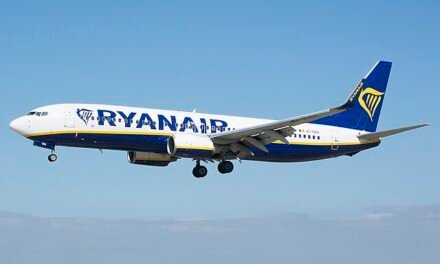
The ripple effects hit hard. Palma’s tourism industry, a lifeline for local vendors, felt the strain as stranded travelers cut spending. A café owner near the airport, Javier, sighed, “Fewer people, less business. It’s tough for us, too.” Meanwhile, the broader aviation world is reeling. Ryanair’s CEO recently called Europe’s ATC services “shoddy,” warning of a summer of record delays in 2025, a sentiment that feels all too real now. Past incidents—system failures in London, software glitches in Lisbon—hint at a fragile system struggling with storms, strikes, and crowded skies.
For stranded families, the ordeal was more than logistics—it was emotional. A Birmingham gran, Susan, waiting for her son’s family, said, “I just wanted to hug them when they finally landed. It’s been a scare.” Some passengers, like Mark, found silver linings: “My daughter and I talked more in that hotel room than we have in months.” Others, like a Bristol student, Ellie, worried about costs. “I’m a student; £1,500 is my whole savings,” she said, her voice cracking.
As Palma’s airport returns to normal, the scars of those chaotic days linger. EasyJet urges travelers to check flight statuses and pack essentials, advice echoed by experts who suggest travel insurance for protection. Beth, now home, reflected, “It was awful, but we made it. I just feel for those still waiting.” For every family reunited, there’s a story of resilience, of strangers sharing snacks in terminals, of parents soothing kids with stories of Majorca’s sunsets. The storms may have grounded flights, but they couldn’t dim the human spirit carrying travelers home.