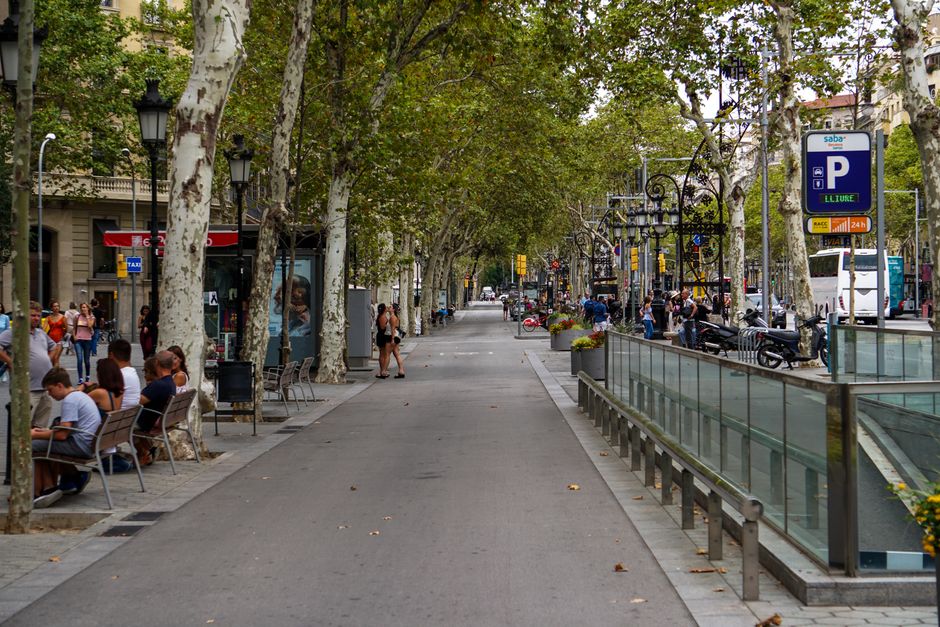

European cities are witnessing a notable resurgence in urban living, as a new generation of young adults gravitates toward metropolitan centres, drawn by vibrant lifestyles and a growing focus on wellness. This shift marks a reversal from the pandemic-era trend of moving to rural or suburban areas, signalling renewed confidence in city life across the continent.
Recent surveys indicate that major urban hubs such as London, Madrid, and Paris are regaining their appeal among young Europeans. These cities have emerged as top destinations for both living and investment, buoyed by their dynamic job markets, cultural offerings, and expanding wellness infrastructure. The trend is particularly pronounced among those aged 16 to 29, who are increasingly prioritising access to amenities, social opportunities, and sustainable living environments.
The average age at which young people in the European Union leave their parental home has seen a slight decrease, now standing at 26.2 years. While southern and eastern European countries still report higher ages for leaving home, northern nations such as Finland, Denmark, and Sweden continue to see young adults striking out on their own much earlier. This divergence reflects both cultural factors and the varying affordability of urban housing across the continent.
Despite ongoing concerns about the cost of renting, many young Europeans are choosing to remain in or return to cities, motivated by the promise of career advancement and lifestyle enrichment. The so-called “cost-of-renting crisis” remains a significant barrier, with nearly 10 percent of young people in the EU spending 40 percent or more of their disposable income on housing. Yet, cities are responding by investing in affordable housing initiatives and promoting mixed-use developments that cater to the needs of younger residents.
The real estate landscape is adapting to these preferences, with residential sectors in key cities experiencing renewed investment. London, Madrid, and Paris have been ranked as the leading cities for real estate investment and development potential in 2025, reflecting their resilience and adaptability. Investors are increasingly drawn to sectors such as student accommodation and co-living spaces, which align with the demands of a mobile and health-conscious youth population.
Wellness trends are also shaping the urban experience. Young Europeans are seeking neighbourhoods that offer green spaces, cycling infrastructure, and easy access to fitness facilities. The proliferation of wellness-oriented amenities, from rooftop gardens to community gyms, is transforming city living into a holistic experience. Urban planners are responding by integrating sustainability and well-being into the fabric of city life, ensuring that public spaces and transport networks support active, healthy lifestyles.
Social connection remains a key driver of the urban comeback. Cities offer unparalleled opportunities for networking, cultural engagement, and participation in civic life. For many young adults, the prospect of living in a diverse, cosmopolitan environment outweighs the challenges posed by high housing costs and crowded conditions. Over a quarter of young people in the EU still live in overcrowded households, but the desire for independence and personal growth continues to fuel migration to urban centres.
The wellness movement is not limited to physical health. Mental well-being has become a central concern, with cities investing in support services, community initiatives, and inclusive public spaces. Programmes aimed at reducing social isolation and promoting mental health awareness are gaining traction, reflecting a broader understanding of what constitutes a healthy urban environment.
Economic factors also play a significant role in the urban revival. Cities remain the engines of innovation and employment, offering a diverse range of opportunities in technology, creative industries, and the service sector. The promise of upward mobility and professional development is a powerful incentive for young Europeans to embrace city life, even as they navigate the complexities of the housing market.
The resurgence of urban living is not without its challenges. Rising living costs, limited new residential construction, and concerns about sustainability continue to test the resilience of Europe’s cities. Policymakers are under pressure to address these issues, with calls for affordable housing and sustainable urban planning featuring prominently in public discourse. The European Affordable Housing Plan, for example, advocates for stronger protections and increased investment in accessible housing for young people.
Looking ahead, the outlook for urban living in Europe is cautiously optimistic. The combination of renewed investment, evolving wellness trends, and the enduring appeal of city life suggests that Europe’s metropolitan centres will remain magnets for young adults. As cities adapt to the changing needs of their residents, the urban renaissance is poised to shape the continent’s social and economic landscape for years to come.
Image Credit: Photo by Timon Studler on Unsplash