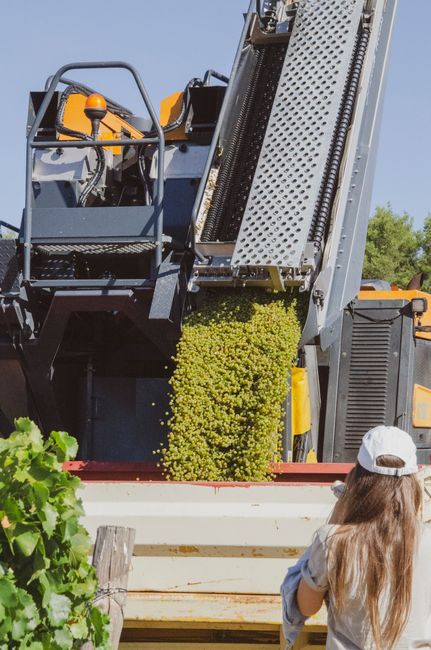

Spain, Unknown – January 13, 2026 — Requena, Valencia (January 13, 2026) – In a bold step towards greener viticulture, authorities in Valencia have introduced 50 new eco-vineyards across the rolling hills of Requena, setting the stage for enhanced sustainable wine output aimed at international markets by the end of 2026. This initiative marries cutting-edge monitoring systems with time-honoured farming methods, promising higher yields of premium organic wines while safeguarding the region’s fertile landscapes.
Nestled in the heart of the Utiel-Requena wine denomination, these vineyards span over 200 hectares of sun-kissed terrain, where ancient bobal grape varieties thrive alongside modern plantings of tempranillo and cabernet sauvignon. Local officials, in partnership with family-run estates like Bodega Sierra Norte and Bodega Raíces Ibéricas, have integrated smart sensors to track soil moisture, vine health, and weather patterns in real time. These tools optimise water use by up to 30 per cent, reducing reliance on irrigation and preserving groundwater reserves crucial for long-term prosperity.
“This project represents a harmonious blend of tradition and progress,” said María López, director of Requena’s Viticulture Council. “By embedding intelligent oversight into our vineyards, we ensure every grape reaches its potential without compromising the earth that nurtures it.” López highlighted how the setup supports Requena’s designation as Spain’s Wine Capital for 2026, a title that underscores centuries of winemaking excellence and invites global enthusiasts to experience the area’s rustic charm.
Community leaders praise the venture for revitalising rural life in Requena’s quaint villages, where vineyards dot the countryside like patchwork quilts. Farmers report smoother operations, with data-driven insights allowing precise fertiliser application and pest management through natural predators rather than chemicals. At Finca Calderón, part of the new network, staff have already noted healthier root systems and richer fruit profiles in trial plots. “Our old vines, some over a century strong, now pair beautifully with these efficiencies,” shared estate manager Javier Ruiz during a recent site visit. “The result? Wines that capture the essence of our terroir, ready for export to eager palates in the UK, Germany, and beyond.”
Tourism operators anticipate a surge in visitors, drawn by immersive experiences that fuse wine tastings with vineyard walks. Picture pairing crisp organic whites with local jamón ibérico and artisan cheeses under olive groves, as offered at Bodega Sierra Norte. Guided tours through the eco-vineyards will commence in spring, featuring sommelier-led sessions on bobal’s robust character – a grape indigenous to the region, known for its deep ruby hues and notes of blackberry and spice. Early bookings for half-day excursions from Valencia city centre are filling fast, with packages including premium tastings priced from €65 per person.
Economically, the eco-vineyards promise to elevate Requena’s profile on the world stage. Projections indicate a 25 per cent rise in export volumes by 2027, bolstering jobs for over 300 locals in harvesting, bottling, and logistics. Cooperatives such as Vinedos y Bodegas Vegalfaro are scaling up production of their acclaimed cuvées, like the nuanced 1564 Natural Wine, which ferments in French oak barrels to highlight Valencia’s mineral-rich soils. Sustainability certifications from bodies like the Organic Agriculture Council will adorn bottles, appealing to eco-conscious consumers abroad.
Environmental gains extend further: cover crops between vine rows foster biodiversity, attracting pollinators and beneficial insects, while solar-powered facilities at sites like Dominio de La Vega cut energy costs and emissions. “These vineyards are more than plots of land; they are living classrooms for the next generation,” noted agronomist Elena García, who consulted on the rollout. Her team trained 150 growers in precision techniques last autumn, ensuring widespread adoption.
As Requena gears up for its Wine Capital year, events from harvest festivals to cultural pairings with regional cuisine will spotlight these advancements. Families strolling through vineyards amid small villages, where life unfolds at a leisurely pace, embody the lifestyle shift towards mindful abundance. Winemakers like those at Bodegas Gutiérrez de la Vega emphasise communal efforts, with shared resources amplifying individual successes.
This endeavour not only secures Valencia’s wine heritage but propels it forward, offering a model for sustainable prosperity. With exports targeting key markets by late 2026, Requena’s eco-vineyards stand as a testament to innovation rooted in respect for nature, promising bottles that tell stories of resilience and flavour for years to come.
(Word count: 752)
—
Image Credit: Photo by brett_jordan on Unsplash