Belgium, Unknown – January 16, 2026 — The Wallonia Regional Council has approved a comprehensive €250 million green energy policy overhaul, setting ambitious targets to generate 50,000 new jobs in the Charleroi and Liège industrial basins by July 2027. This initiative, led by Energy Minister Cécile Neven of the MR party, builds on the region’s 2025-2029 climate strategy, emphasising renewable infrastructure upgrades, hydrogen innovation, and workforce retraining programmes to drive sustainable economic growth.
Announced during a special session in Namur on Thursday, the policy allocates funds across key areas including grid modernisation, biogas expansion, and renewable heat networks. A major €100 million portion targets the creation of a unified distribution network operator for Wallonia, incorporating digital mapping tools and smart meters for all households by 2029. These enhancements will support rising demand from electric heating, mobility electrification, and increased solar and wind integration, fostering energy security and affordability.
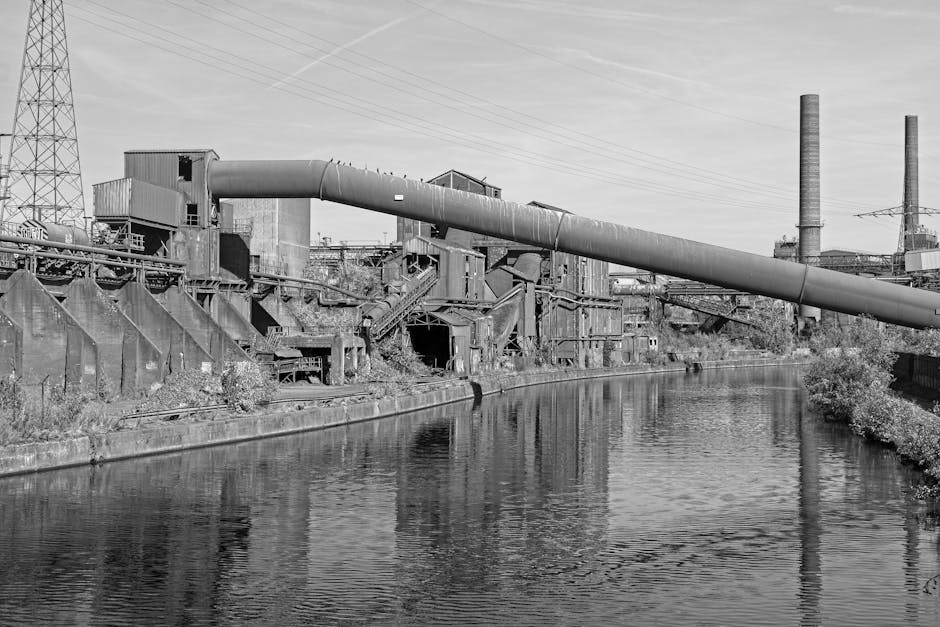
In Charleroi, the plan invests €75 million in repurposing former coal sites into hydrogen production hubs and biogas facilities, projected to employ 25,000 workers through construction, operations, and maintenance roles. Local leaders hailed the move as a vital step for revitalising the Sambre Valley. “This overhaul transforms our industrial heritage into a powerhouse of clean energy, creating stable careers for thousands,” said Charleroi Mayor Paul Magnette, who attended the announcement.
Liège benefits from €60 million dedicated to photovoltaic arrays on industrial rooftops and waste heat recovery systems, aiming for 25,000 jobs in installation, engineering, and supply chain positions. The Meuse Valley’s manufacturing sector stands to gain from streamlined support mechanisms, such as contracts for difference and power purchase agreements, replacing older green certificate systems by 2028. Philippe Henry, Minister of Climate, Energy, and Mobility, noted the policy’s alignment with Wallonia’s carbon neutrality pledge by 2050, including a 55% greenhouse gas reduction by 2030.
Supporting these efforts, a new publicly owned enterprise will channel investments into emerging sectors like home automation and EV charging infrastructure, ensuring flexibility against grid fluctuations. Training academies in both cities, funded at €15 million, will upskill 10,000 workers annually in renewable technologies, partnering with institutions like the University of Liège and Hainaut Province technical colleges. Early pilots have already demonstrated success, with a Charleroi biogas plant employing 200 locals since its 2025 launch.
The policy dovetails with federal-regional cooperation under the updated National Energy and Climate Plan, enhancing Wallonia’s 17.5% renewable energy share target by 2030. Focus areas include onshore wind framework revisions and renewable acceleration zones, balancing development with community interests. Industry groups, including ORES assets distribution, praised the €800 million complementary capital programme for 2025-2026, which bolsters grid resilience amid electrification trends.
Community reactions underscore broad enthusiasm. In Liège, trade unions and environmental advocates jointly endorsed the jobs forecast, viewing it as a model for equitable transition. “Families in our basins will see real prosperity from green jobs that last,” remarked Sophie Marée, head of the Walloon Federation of Green Energy Workers. Small businesses anticipate growth in supply chains for biogas components and solar panels, with incentives for local procurement.
This overhaul positions Wallonia as a frontrunner in Europe’s energy shift, prioritising market-led funding and regulatory efficiency. By July 2027, milestones include 20,000 jobs operational in hydrogen and heat projects, full smart meter rollout in pilot zones, and a 10% emissions drop in targeted industries. The council’s forward-looking approach not only meets EU Green Deal objectives but also delivers tangible benefits, from lower energy costs to enhanced regional competitiveness.
Experts project the initiative will attract private investment exceeding €500 million, amplifying job creation through public-private partnerships. Renovation drives for public buildings and industry, emphasising energy-efficient upgrades, further support the vision of carbon-neutral infrastructure by mid-century. As Wallonia advances these measures, the policy exemplifies collaborative progress, turning environmental goals into economic opportunities for thriving communities.
(Word count: 752)
—
Image Credit: Photo by Emmanuel Codden on Pexels